Root Canal Therapy | Laser Assisted
When a tooth suffers pulpal necrosis or acute periodontal abscess, to save a tooth, root canal therapy must be carried out to remove the source of contamination, that is the necrotic tissues in the pulpal chamber and the root canals.
Root canal therapy is a treatment designed to eliminate infection within the root canal system and support the healing of the surrounding bone.
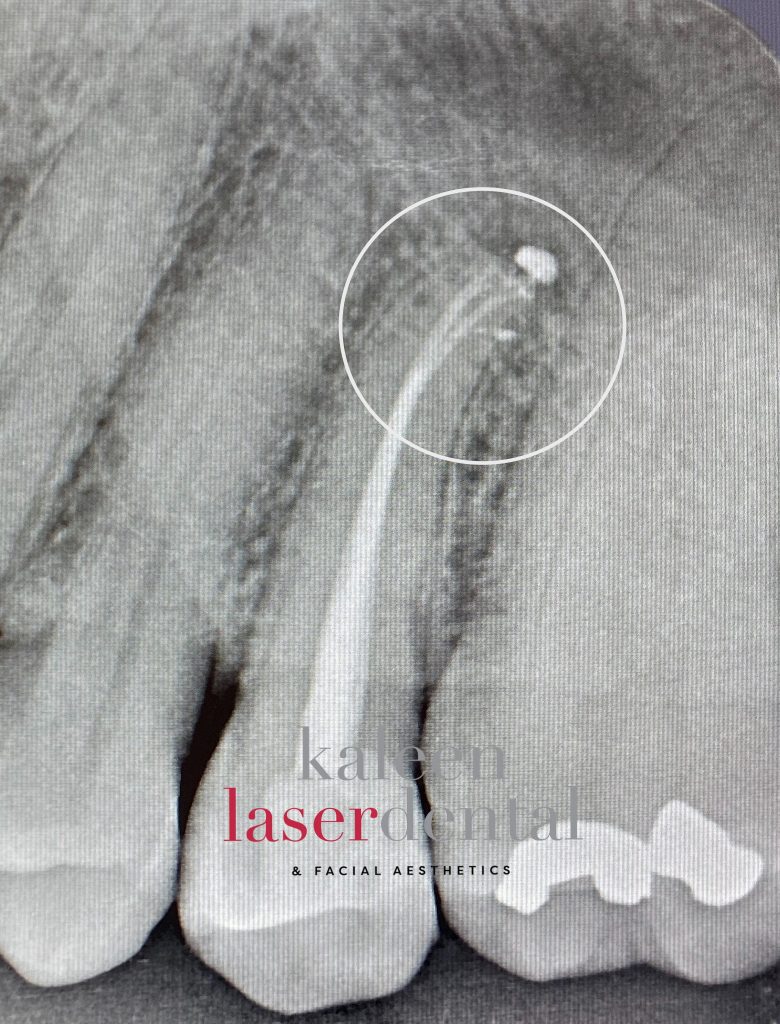
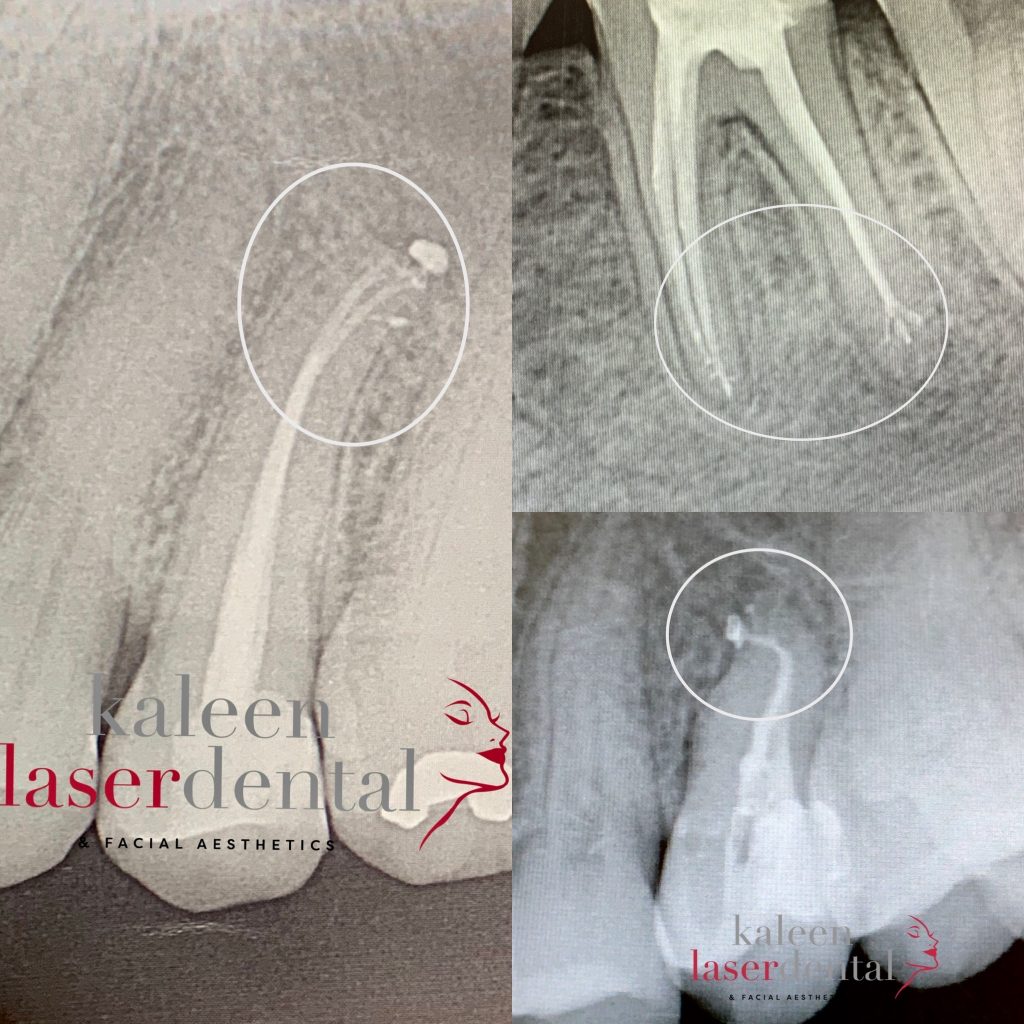
Advances in modern technology, such as 3D imaging, have revealed that the canals—especially in the apical third—have intricate and complex networks. Effectively cleaning these canal systems remains a challenging task.
With the development of tools ranging from sonic and ultrasonic devices to diode and Erbium lasers, canal disinfection and irrigation have become more reliable.
Some technologies perform better than others. In our experience, the photoacoustic effect created by the interaction of the Er:YAG laser and water—known as Shock Wave Enhanced Emission Photoacoustic Streaming—delivers the best results.
This technique, referred to as SWEEPS®, is a well-researched and patented technology by Fotona. It propels disinfectants through the canal system at high velocity, generating a tsunami-like effect in the fluid.
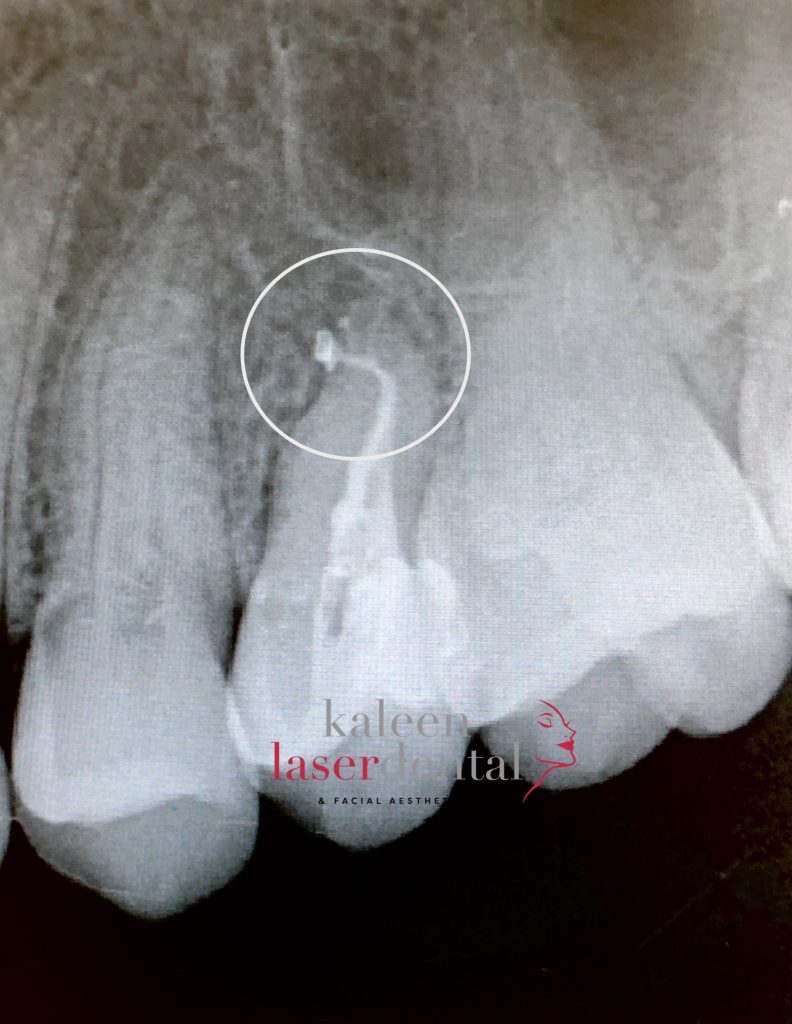
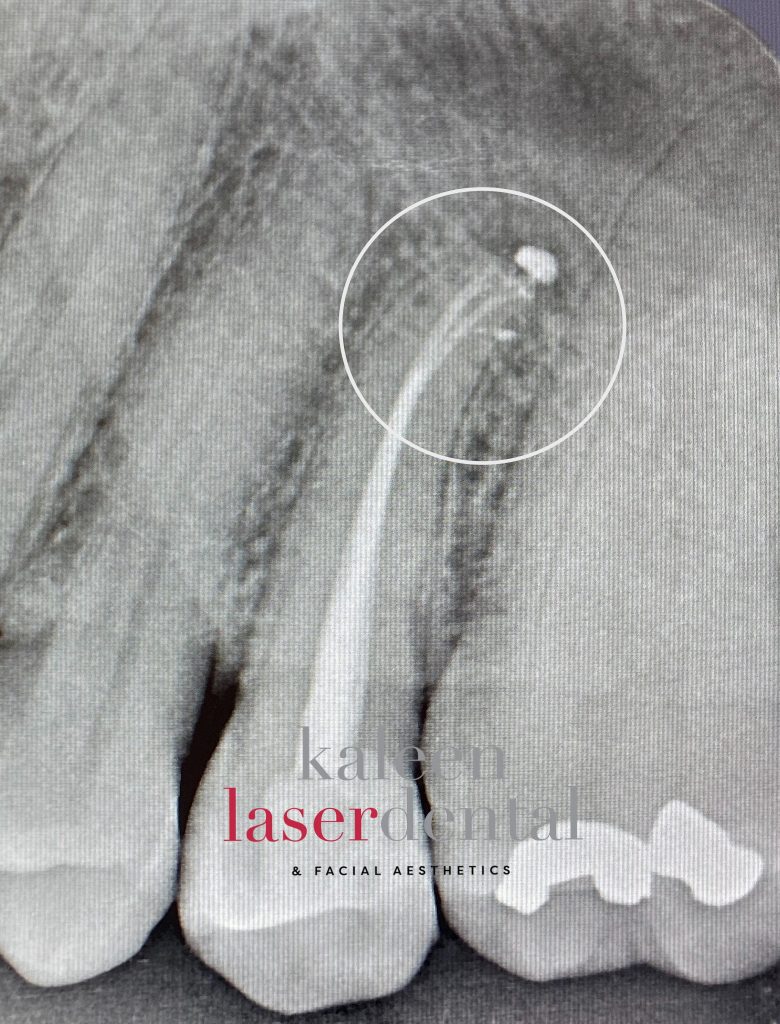
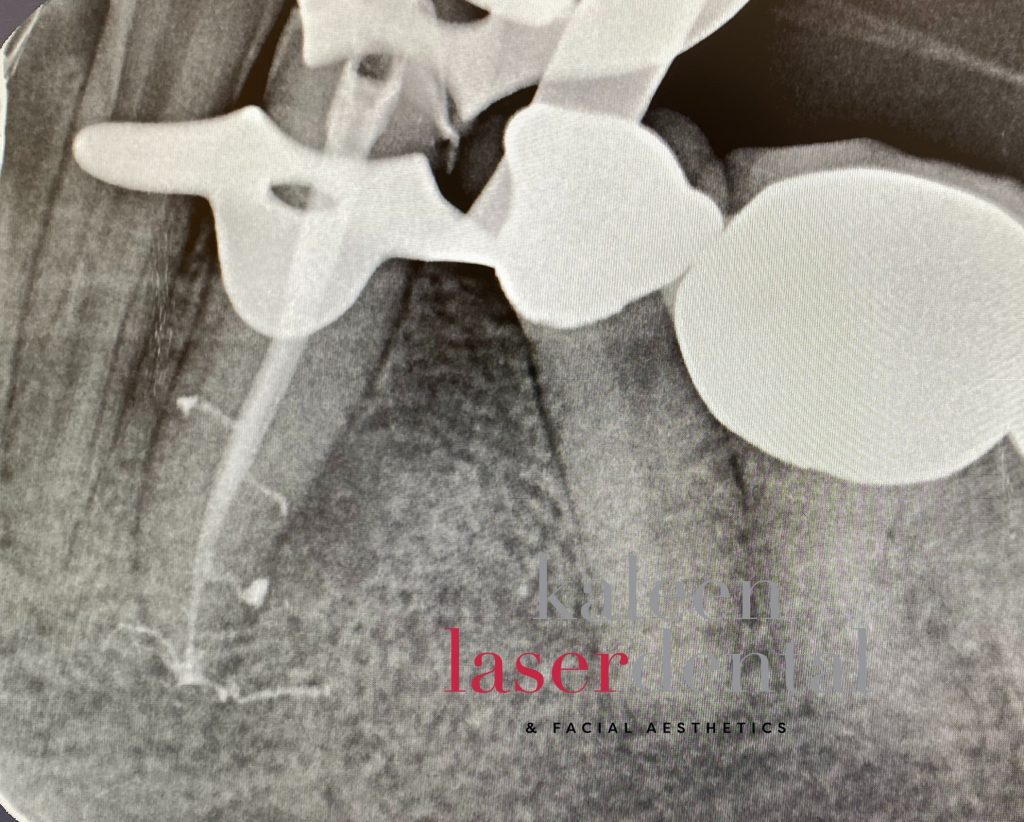
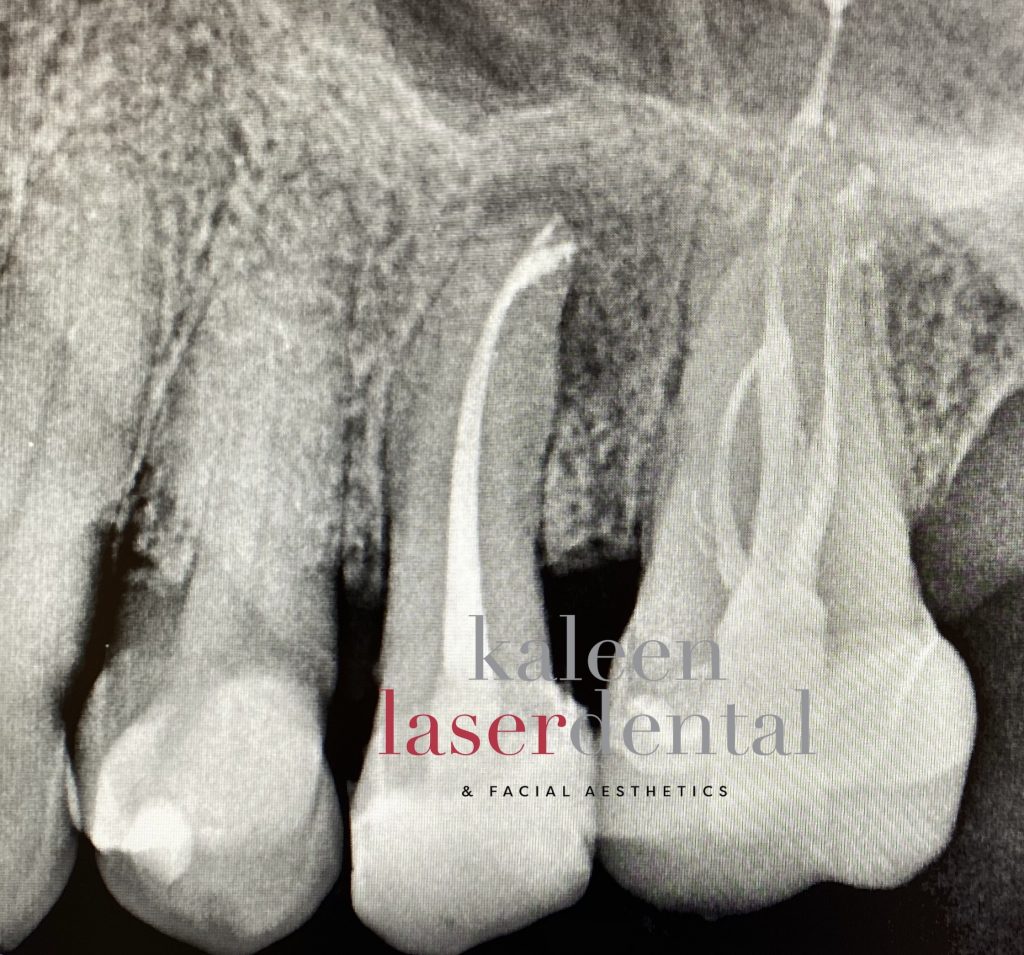
This enhances the penetration of the irrigants into the canals and sub-canal system and thoroughly cleans them, allowing a more complete seal of the main canals and the sub-canal network, which can often be visualised in X-rays, such as the one posted here.
In addition to effective microbial elimination, the quantity of remaining bone and the integrity of the remaining tooth structure are critical factors influencing the long-term success of root canal therapy.
Failure to have peri-apical infection treated can result in more severe bone loss, that can involve adjacent teeth.
Chronic peri-apical infection is more difficult to treat. Sometimes the lesion may become a cyst that requires extensive surgeries and could involve specialist care.
RISKS ASSOCIATED WITH ROOT CANAL THERAPY
Include but not limited to:
- Perforation or ledging of the canals
- Incomplete cleaning of the root canal, leading to recurrent infection.
- Calcified canals that restrict access for cleaning
- Fractured instruments lodged in the canal, hindering thorough cleaning
- Rare but possible sodium hypochlorite accident
A thorough consultation before treatment is necessary and results may vary.